From fansite glitter to TikTok cores:
subcultures, beauty and digital aesthetics
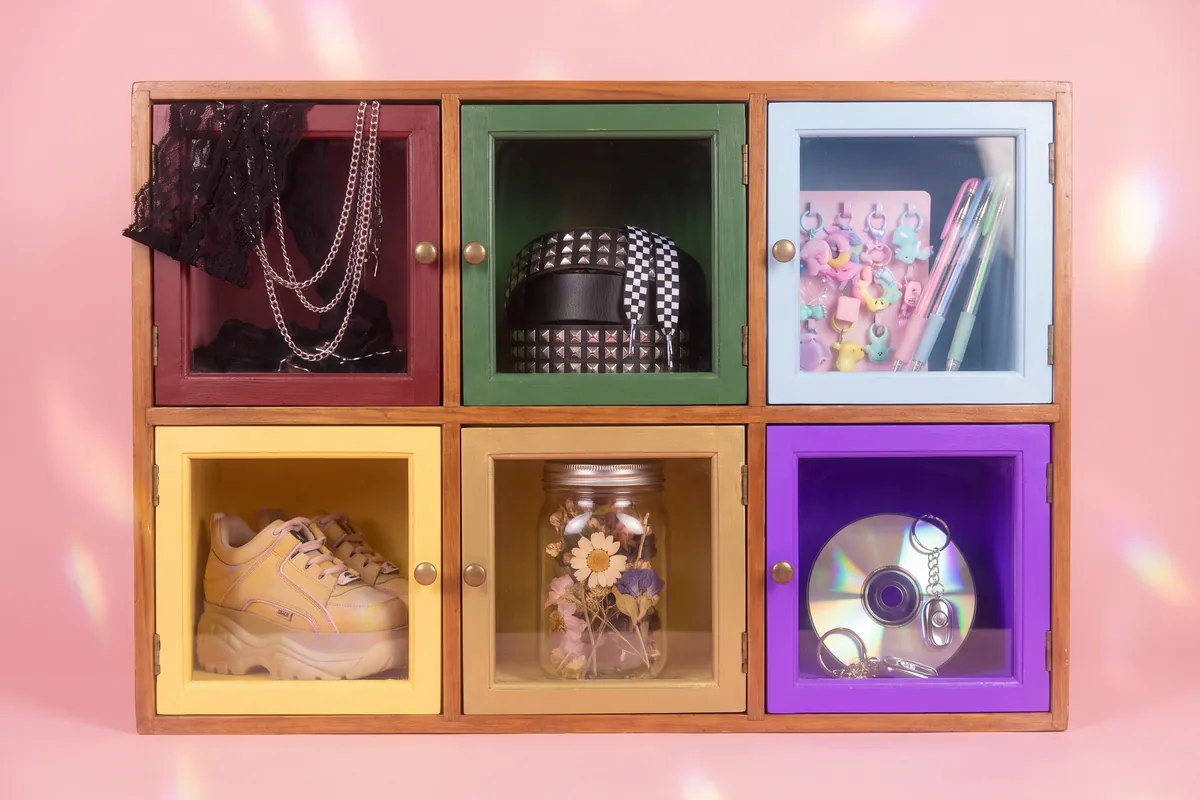
My first website went live when I was 13: a celebrity fansite with glitter cursors, seasonal-themed backgrounds and a guestbook. Nobody called it an aesthetic. It was simply how our corner of the internet looked. The mechanism is the same, only the platforms have changed.
Aesthetics start in communities, not in brands
Dark Academia, Cottagecore, Goblincore, Witchtok, VSCO girls, E-girls. Each of these names was coined by a community before any brand used it. BeautyMatter notes that Gen Z uses these trends to role-play, find comfort and connect with others. An aesthetic works first as a membership signal and only then as a style.
The same pattern shows up outside beauty. New Nation describes how niche communities, from TikTok micro-tribes to Discord servers and subreddits, set looks such as Gorpcore, Office Siren or Fairy Grunge before the mainstream picks them up.
Why beauty moves first
Beauty, for example through make-up, is the fastest way to try on an identity. A new lip colour, a different eyeliner or a patch on the skin costs little and is visible immediately, so it is often the first channel through which a subculture becomes legible. BeautyMatter cites 21.8 billion views of beauty content on TikTok, which gives an idea of how much experimentation happens on social media.
Pulsar’s 2026 beauty analysis shows how far this goes. Pimple patches, once a way to conceal, are now treated as a statement accessory. Pulsar also describes an “anti-algorithm” mood among younger audiences that rejects polished AI-generated images in favour of imperfection and glitchy content.
What this means for digital aesthetics
My own reading, as a marketer who grew up on forums and fansites: the visual language of the web is moving back towards the handmade. Glitter, pixel type, collage and visible imperfection signal that a real person made this. The Y2K look is not only nostalgia. It is a way of saying “not generated” at a time when generated images are everywhere.
What brands should do
- Listen first. Spend time in the community before posting. Learn the vocabulary, the in-jokes and what members reject.
- Pick one subculture and stay niche. Livvy Houghton of The Future Laboratory, quoted by BeautyMatter, advises knowing the exact community you target rather than chasing a broad trend.
- Translate, don’t copy. Take the values and the visual codes (colour, type, pacing), not the costume. New Nation suggests letting the community speak in its own language and co-creating with it.
- Build a system, not a one-off. Trends turn over quickly, and BeautyMatter points to shorter development cycles as a result. A flexible set of visual rules, tone of voice and formats lets a brand adapt without rebuilding itself every month.
- Treat aesthetic names as search terms. In my experience people search for these names, so they belong in the content plan and the SEO keywords as well as in the moodboard.
The takeaway
Subcultures supply the ideas, beauty makes them visible and platforms accelerate them. The brands that last in this space behave like good community members: they listen, they contribute and they keep a consistent identity while the trend moves on.
Sources
- Pulsar, Top 5 Beauty Trends on Social Media 2026
- BeautyMatter, Why TikTok subcultures matter for your brand
- New Nation, How Internet Subcultures Are Driving Mainstream Trends in 2026
Figures are reported as published by the sources and have not been independently verified.
Building a brand in fashion, beauty or lifestyle?
I help brands turn culture into a consistent digital strategy, from SEO and content to paid media and influencer partnerships. Based in Milan, working worldwide. In English and Italian, with brands wherever they’re based. Remote-first, occasionally on site in Milan when a project needs it.
Get in touch ♪♪ What do I listen to for focus and fresh ideas?My songs to work and daydream to.▶︎ Play