Sensory marketing: how sound and music make a brand memorable
There is a Sound on button on my website, and people ask me why. The short answer: brands are mostly judged with the eyes, and sound is the sense almost nobody uses. Used well, it makes a moment stick. Here is how I think about it, and how to use it without annoying anyone.
1. What sensory marketing means
Sensory marketing means speaking to more than one sense, so an experience feels fuller and is easier to remember. Sight is the most crowded one: every feed is a wall of images. Sound is quieter, and that is exactly why it stands out.
2. Sound is tied to memory
A song can bring back a whole summer, and you can recognise a notification sound without looking at the screen. Brands can borrow that power through consistency: the same mood of sound, repeated over time, becomes part of how people recognise you, next to colour and typography.
3. Where a brand can use sound
Reels and TikTok. Choose audio that fits the mood of the brand, not only the one that is trending. Trends fade, a consistent musical mood stays.
Playlists. A playlist is a small brand asset: it shows taste, it lasts longer than a post and people listen to it while doing something else. Mine is called Mixtape, like my newsletter, and the cassette is part of my visual identity.
Your website. Optional, quiet and never automatic. More on that below.
Video, podcasts and voice. The tone of voice counts, and so does a short, recognisable sound at the start of a video or an episode.
Physical places. In hotels, restaurants, shops and events, background music is part of the experience. Choose it on purpose and check the licence.
4. Five rules to keep sound welcome
- Never autoplay. Browsers block it anyway, and people dislike it.
- Offer a clear on/off switch and remember the choice.
- Keep it quiet and short. Sound should accompany, not interrupt.
- Never rely on sound alone. Add captions and text, so the message works for everyone and in every situation.
- Check the rights. Commercial use of music usually needs a licence. Use royalty-free libraries, original sounds or audio that the platform allows for business accounts.
5. Why my own site makes its own sounds
On this site the sounds are generated by the browser, so there are no audio files to download and the pages stay light. They start only after your first tap, you can turn them off at any time and the choice is remembered. It is also a small nod to the early web, when blogs and fan clubs often had a music player in the corner: it was part of the personality of the place.
6. How to know if it works
Do not expect a single number. Compare Reels with different audio moods (watch time, saves, shares), look at playlist follows and newsletter replies, and notice whether people mention it. Change one thing at a time and keep what your audience responds to.
A quick checklist before you add sound
- What does the brand sound like, in three words?
- Which channel already carries sound? Video, Reels, a venue or an event.
- Is there a way to turn it off?
- Are the rights clear?
- Does everything still work without sound?
The takeaway: a mood, kept consistent
Sound will not fix a weak brand, but it gives a strong one one more way to be remembered. Pick a mood, keep it consistent, ask permission and keep the volume low.
Want a brand that people actually come back to?
I help brands build a recognisable visual identity and the channels they own, from SEO and content to email and paid media. Based in Milan, working worldwide. In English and Italian, with brands wherever they’re based. Remote-first, occasionally on site in Milan when a project needs it.
Get in touch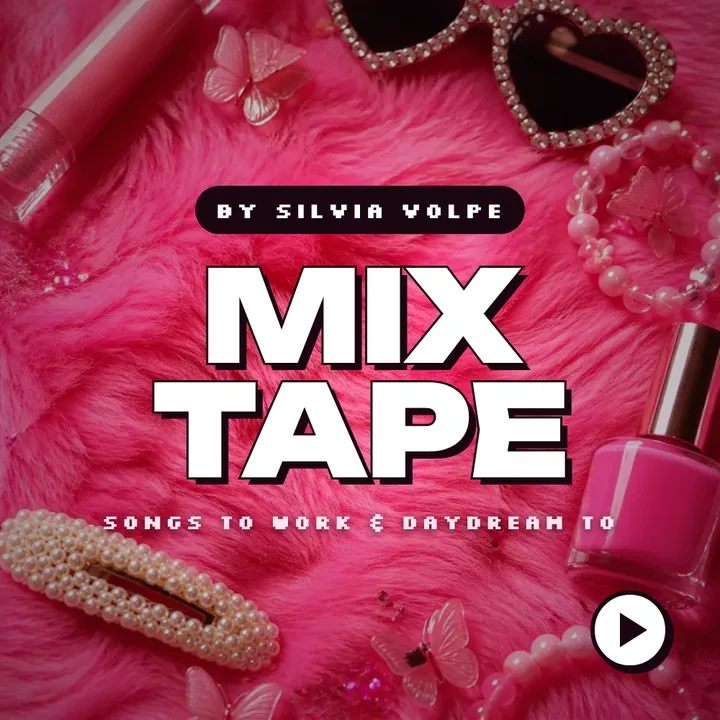 ♪♪ What do I listen to for focus and fresh ideas?My songs to work and daydream to.▶︎ Play
No Spotify? Listen on: YouTube