Multilingual SEO:
the right structure for a site in Italian and English
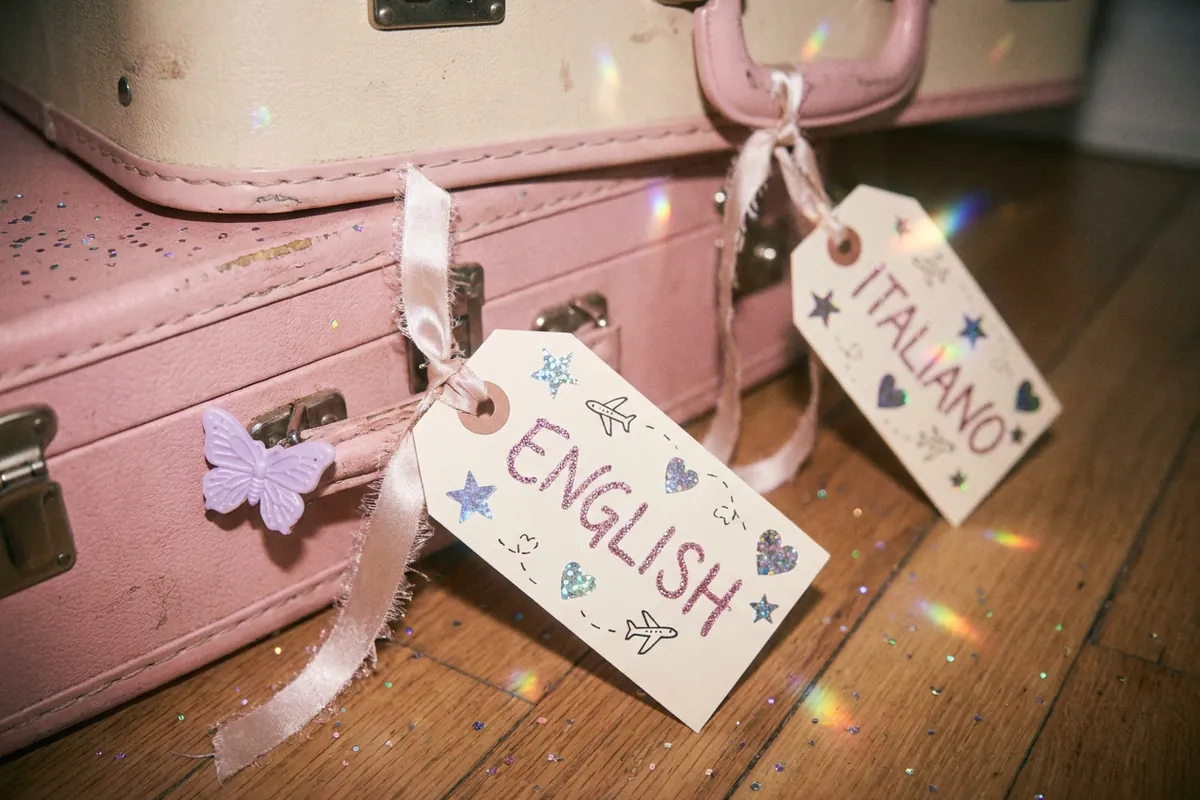
A bilingual site is not a site with a language button. For search engines each language needs its own page, its own address and its own metadata. These are the rules I follow when a brand wants to be found in Italian and in English.
1. Give each language its own URL
Use a clear structure such as / for English and /it/ for Italian, with the same logic for every page. If the translation only appears after a script swaps the text in the browser, search engines see one language. Each version has to exist as a real page that loads with its content already in place.
2. Connect the versions with hreflang
Hreflang tells search engines that two pages are the same content in different languages, so each audience gets the right one. Every page should point to its translation and to itself, and one version can be declared as the default for everyone else. The same information can also go in the XML sitemap.
3. Translate the parts people forget
The title tag, meta description, headings, image alt text, button labels, structured data and the URL slugs all count. A perfectly translated page with an English title tag will rank and read badly in Italian.
4. Write for the market, not word for word
People search differently in each language. The Italian query is not always a translation of the English one, so check the real search terms in each language and adapt headings and examples. A good translation sounds like it was written in that language first.
5. Link the two versions for people too
Add a visible language switch that goes to the equivalent page, not just the home page. Do not redirect visitors automatically based on their browser language, because that can stop both users and crawlers from reaching a version.
6. Keep one canonical per language
Each language page should have a canonical address pointing to itself. Pointing the Italian page to the English one tells search engines to ignore the Italian page.
The takeaway
Treat each language as its own site section with its own pages, metadata and keywords, connected by hreflang. It takes more work than a plugin, but it is what lets a brand appear in both Milan and international searches. This is how I built this website, and I do the same for client sites. The article on SEO for AI search covers the next layer.
Need a site that ranks in two languages?
I plan and run multilingual SEO, from site structure and metadata to content in Italian and English. In English and Italian, with brands wherever they’re based. Remote-first, occasionally on site in Milan when a project needs it.
Get in touch ♪♪ What do I listen to for focus and fresh ideas?My songs to work and daydream to.▶︎ Play